

The Importance of Preserving Historical Integrity Through Expertise
Preserving historic structures requires specialized skills. These buildings tell stories from the past and showcase unique architectural styles. Maintaining their integrity is crucial for cultural preservation and appreciation. Experts use their knowledge to keep these structures standing strong while preserving their original charm. In this guide, we will explore how skilled craftsmanship ensures longevity and beauty in historic buildings.
Understanding the Role of Skilled Craftsmanship
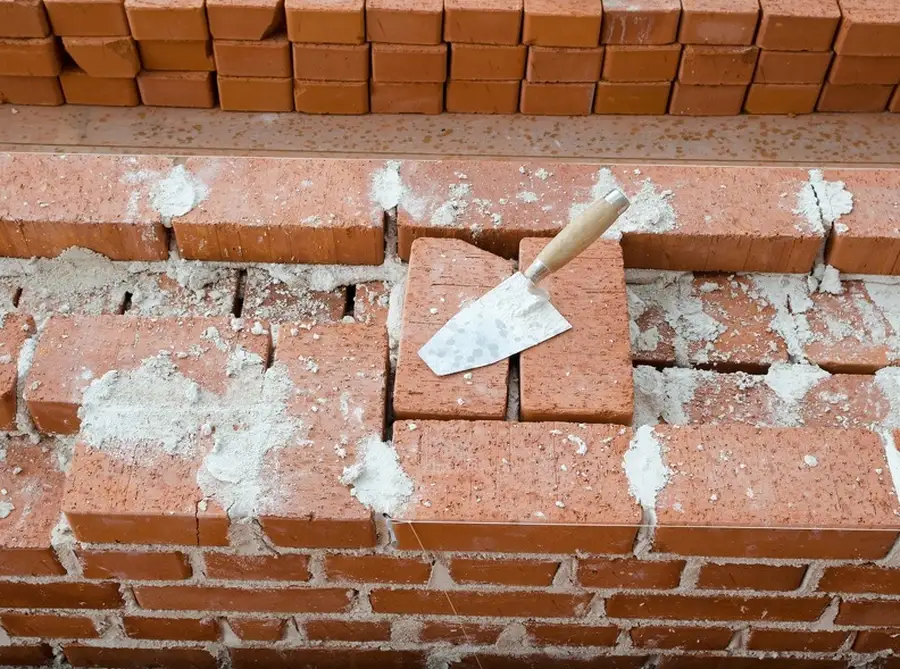
Skilled masonry repair plays a vital part in maintaining historic structures. It involves restoring brick, stone, and concrete elements with precision. The goal is to match materials accurately and retain the building’s historical character. Using inappropriate methods or materials can cause irreversible damage. Experts focus on using traditional techniques that complement the era of construction. This approach ensures that any repairs blend seamlessly with the original design.
Common Challenges in Preservation Efforts
Preserving historic buildings comes with challenges. Weathering, erosion, and natural aging affect structural integrity. Moisture penetration is a common issue, leading to cracks and weakened foundations. Additionally, finding appropriate materials for replacement can be tricky. Original components may no longer be available, requiring custom solutions. Experts must consider these factors when planning restoration projects.
Effective Solutions for Lasting Repairs
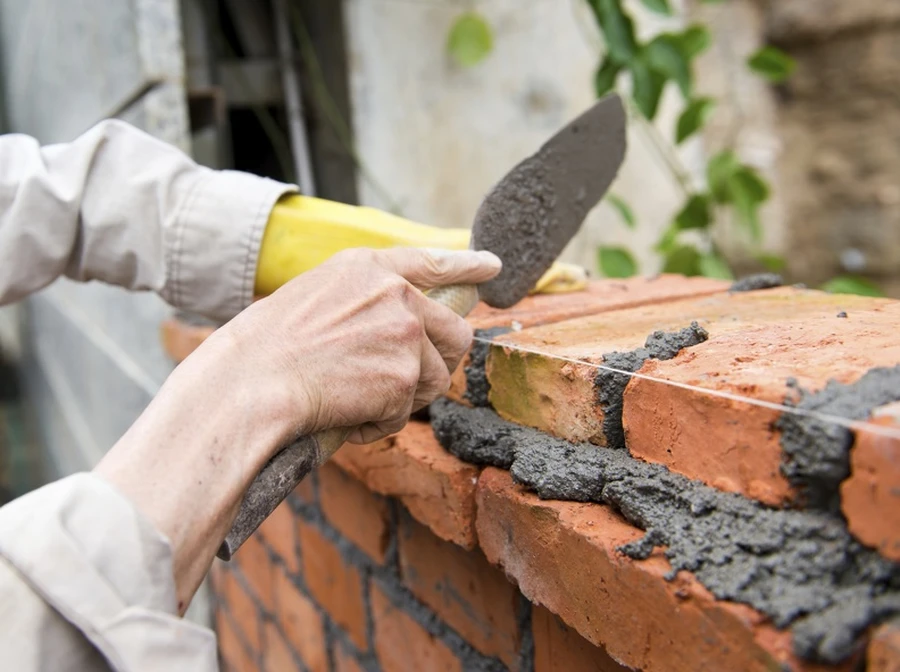
Addressing these challenges requires strategic approaches. Proper assessment identifies the root causes of damage. Once issues are pinpointed, experts select suitable methods for remediation. Here, masonry repair becomes essential as it addresses both aesthetic and structural needs. By reinforcing weak areas and using historically accurate materials, professionals ensure lasting results.
- Select authentic materials that match the original structure
- Use traditional techniques to preserve aesthetic integrity
- Implement preventive measures to avoid future damage
Best Practices for Ongoing Maintenance
Regular maintenance is key to prolonging the life of historic buildings. Routine inspections help catch problems early before they escalate. Cleaning surfaces gently prevents further wear from dirt buildup. It’s important to work with specialists who understand the nuances of historic architecture. They provide tailored advice and services specific to each building’s needs.
Understanding Industry Standards and Compliance
Compliance with industry standards is critical in historic preservation. Restoration efforts must adhere to guidelines set by preservation organizations. These standards ensure that interventions do not compromise the building’s heritage value. Professionals remain informed about regulations to guarantee all work aligns with legal requirements while respecting historical authenticity.
Cost Considerations in Restoration Projects
Restoration can be costly due to the need for specialized labor and materials. However, investing in quality preservation pays off in the long run through increased property value and extended lifespan of the structure. Carefully planned budgets and thorough research into funding options help manage costs effectively without sacrificing quality.
- Assess current condition thoroughly
- Select appropriate methods and materials
- Plan budget carefully with potential funding sources
- Engage experts for execution of restoration works
Partner With Experts for Successful Outcomes
For successful restoration, partnering with experienced professionals is vital. Their expertise in historical architecture ensures high-quality outcomes. Based in Oak Creek, WI, our team provides exceptional service tailored to your building’s needs. Contact us at (414) 378-0202 for expert support and consultation. At JCR Restoration LLC, we specialize in crafting solutions that honor the past while securing the future.